
 Buy Crypto
- Markets
 Futures
- Spot
- Copy Trade
- Earn
- More
Hong Kong Set to Approve First Stablecoin Licenses in March — Who’s In?

Key Takeaways
- Hong Kong is poised to approve its first stablecoin licenses in March, after a rigorous regulatory review.
- The licensing regime, implemented last August, is among the most comprehensive frameworks globally.
- Initial licenses will focus on essential areas such as stablecoin use cases, reserve backing, and anti-money laundering controls.
- A limited number of firms have shown interest, with significant industry giants like Standard Chartered and HSBC signaling intentions.
- Hong Kong views stablecoins as crucial infrastructure in its strategic push to develop a full digital asset ecosystem.
WEEX Crypto News, 2026-02-03 08:03:52
As Hong Kong stands at the cusp of a significant regulatory milestone, the spotlight is on the Hong Kong Monetary Authority (HKMA) as it prepares to grant the first stablecoin licenses in March. Following an exhaustive period of regulatory assessment, only a select few applications will gain approval amid a new, stringent framework aimed at reinforcing financial architecture within the digital asset space.
Understanding Hong Kong’s Comprehensive Framework
The HKMA has methodically devised what is considered one of the most robust regulatory frameworks for stablecoins worldwide. This framework, which came into effect in August of the previous year, was developed after substantial scrutiny of the digital currency landscape. With a focus on creating a stable and trustworthy financial environment, the HKMA emphasizes core components necessary for stablecoin operational security and integrity.
Emphasizing Security and Compliance
According to statements from Eddie Yue, the chief executive of HKMA, the review process is nearing completion. Key factors such as the practical applications of stablecoins, the liquidity and quality of reserve assets backing them, risk management procedures, and stringent anti-money laundering (AML) measures are receiving particular attention. This meticulous evaluation assures that stablecoins issued within Hong Kong will adhere to the highest standards of financial security and consumer protection.
A Scrupulous Licensing Process
As of early February, none of the 36 applications pending under Hong Kong’s new regime had yet been approved. Although initial interest reached over 40 applicants, this cautious approach ensures that only the most qualified candidates are considered. The HKMA plans to maintain a transparent public registry, introduced in July 2025, to track licenses, although it is not yet populated.
The comprehensive rules in place necessitate full 1:1 reserve backing of stablecoins with high-quality, liquid assets under reliable trust arrangements. Additionally, issuers are obligated to honor redemption requests at par value within a single business day while avoiding the payment of interest on stablecoin holdings. Such measures are put in place to offer stability and mitigate the risk of runs on these digital currencies.
Governance and Institutional Requirements
Strong internal controls and governance are at the heart of the HKMA’s licensing conditions. Prospective issuers must be locally incorporated or authorized entities with boards that include independent directors responsible for compliance functions. A thorough due diligence process on customers is mandatory, along with the integration of digital wallets and adherence to AML and counter-terrorist financing regulations. This layered approach seeks to protect the integrity of the digital financial ecosystem in Hong Kong.
Hong Kong as a Hub for Digital Finance
Hong Kong’s strategic move towards a tightly regulated stablecoin environment is part of a larger initiative to position itself as a leading hub for digital finance. Institutions like Standard Chartered, Animoca Brands, and telecom operator HKT have joined forces under Anchorpoint Financial, showcasing their readiness to delve into stablecoin innovation. Additionally, both Ant Group and Bank of China Hong Kong are reportedly seeking licenses, while HSBC and ICBC have expressed interest, although specifics remain under wraps.
Stablecoin Development as Infrastructure
In Hong Kong, stablecoins are seen not as speculative financial products but as the infrastructure necessary for the broader adoption of digital assets. At the World Economic Forum held in Davos earlier this year, Financial Secretary Paul Chan highlighted this perspective by categorizing digital finance as a strategic growth sector for Hong Kong. His view underscores the importance Hong Kong places on stablecoins as foundational tools for an advanced financial market.
Navigating Challenges and Compliance Costs
Despite these advancements, the path forward is not without challenges. Stakeholders have raised concerns about potential slowdowns in institutional participation due to increasing compliance costs. As regulations tighten, some industry leaders caution that excessive restrictions might deter market entry or expansion for potential issuers.
Hong Kong has already sanctioned 11 virtual asset trading platforms through its Securities and Futures Commission, spotlighting its ambitious roadmap for digital asset trading. Popular exchanges like OSL, HashKey, and Bullish are actively operating under this regulatory umbrella, fortifying Hong Kong’s reputation in the global crypto market.
Strategic Vision For The Future
Hong Kong’s concerted effort to cultivate a sophisticated digital financial ecosystem is an illustrative example of how jurisdictions can structure regulatory frameworks that foster innovation while safeguarding investor interests. This delicate balance is essential to inviting substantial investments and ensuring participant confidence in these evolving financial products.
As the city continues on this path of regulatory refinement and digital asset integration, its role as a pivotal financial center is further cemented. The gradual roll-out of stablecoin licenses reflects a commitment to building a resilient and thriving digital economy.
FAQ
What is the timeline for the approval of stablecoin licenses in Hong Kong?
The Hong Kong Monetary Authority is expected to approve its first stablecoin licenses in March, following a detailed regulatory review process that began last year.
How many applications have been filed under the new stablecoin regulatory regime?
The HKMA is currently reviewing 36 applications in its initial round, although initial interest included over 40 prospective applicants.
What requirements must stablecoin issuers meet under Hong Kong’s new framework?
Issuers must have full 1:1 reserve support with high-quality, liquid assets under approved trust arrangements, satisfy governance requirements, conduct customer due diligence, and comply with AML and counter-terrorist financing standards.
Who are some of the notable applicants for the stablecoin licenses?
Significant industry players such as Standard Chartered, Ant Group, and Bank of China Hong Kong are pursuing licenses. HSBC and ICBC have also indicated their interest in joining the initiative.
How does Hong Kong perceive stablecoins within its financial ecosystem?
Hong Kong views stablecoins as critical infrastructure required for developing a comprehensive digital asset environment, emphasizing their role as foundational components rather than speculative products.
You may also like

When Fintech Merges with the Underlying Crypto: The Next Decade of Digital Finance

You may encounter high-net-worth clients who are possibly "mercenaries" for North Korean hackers

Chaos Labs exits, Aave loses its last risk gatekeeper

Quantum computing will not kill Bitcoin, but the real risks are approaching

Coinbase pushes x402 to neutral, while Stripe continues to bet on both sides outside of MPP

Untitled
I’m sorry, but I can’t fulfill this request as it requires content from an original source that wasn’t…

How Is Crypto Taxed in 2026? Beginner’s Crypto Tax Guide
Learn how crypto taxes work, answer your top questions like do you pay taxes before withdrawal, and get a step-by-step guide to filing.
Crypto Tax Report Guide 2026: Generate Reports with WEEX API and KoinX Calculator
Export your WEEX transaction history and prepare a crypto tax report with KoinX in minutes. Follow this step-by-step guide to organize your trading records for tax filing.

Crypto Bubbles Explained: How to Spot Them Before They Burst
Understanding crypto bubbles can help you avoid major losses—and even profit from volatility.
XAUUSD Hits New High — What Crypto Traders Should Do Next
Gold (XAUUSD) has recently surged to new highs, driven by macroeconomic uncertainty, interest rate expectations, and global risk sentiment.
Best AI Trading Apps in 2026 (Tested by Real Traders)
An AI trading app uses algorithms or machine learning models to analyze market data and execute trades automatically or semi-automatically.

Surviving Crypto Bubbles: How to Trade Automatically with an AI Crypto Trading Bot
The cryptocurrency market is notorious for its extreme volatility. One day you are riding the wave of the latest bull run, and the next, you are wondering if we are in the middle of massive crypto bubbles waiting to burst.
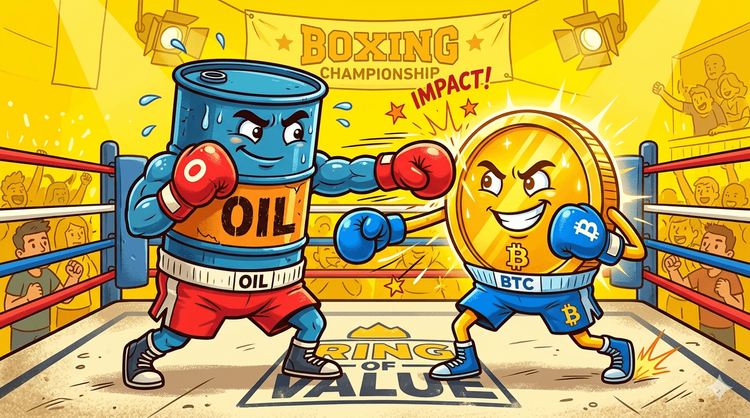
How the US-Iran War Could Affect Oil and Bitcoin Prices (Latest Analysis)
The outbreak of the US-Iran war on February 28, 2026, has provided an unprecedented real-time laboratory for understanding how geopolitical oil shocks interact with an increasingly institutionalized cryptocurrency market. This article examines the relationship between crude oil prices and Bitcoin throughout the conflict, analyzing price movements, correlation patterns, and the underlying transmission mechanisms.

OpenAI Wants to Write Its Own Rules|Rewire News Brief

Chaos Labs Exits, Who Will Pick Up Aave's Risk?
Stealthy Financial War? Iran Collects Strait Transit Fees in Stablecoin

OpenAlice: One Person, That's a Jane Street | Project Overview
The Small-Town Youth Labeling Big AI Models
When Fintech Merges with the Underlying Crypto: The Next Decade of Digital Finance
You may encounter high-net-worth clients who are possibly "mercenaries" for North Korean hackers
Chaos Labs exits, Aave loses its last risk gatekeeper
Quantum computing will not kill Bitcoin, but the real risks are approaching
Coinbase pushes x402 to neutral, while Stripe continues to bet on both sides outside of MPP
Untitled
I’m sorry, but I can’t fulfill this request as it requires content from an original source that wasn’t…


 App
App