
What Is Public Asset Control (PAC) Token? Risks and Reality

Public Asset Control token, also known as PAC, is a Solana-based crypto token built around a dramatic asset-control narrative. Its branding references government-style briefings, strategic reserves, oil, gold, institutions, and sovereign authority. That presentation is designed to look serious, but the more important point is simpler: PAC should be understood as a speculative, narrative-driven token unless independent evidence proves otherwise.
The Public Asset Control token has attracted attention because it sits between two familiar crypto themes. One is the real-world asset, or RWA, narrative, where tokens may represent claims on treasuries, funds, commodities, credit, or other off-chain assets. The other is the meme-token market, where branding, timing, social attention, and liquidity often matter more than product fundamentals. PAC currently looks much closer to the second category.
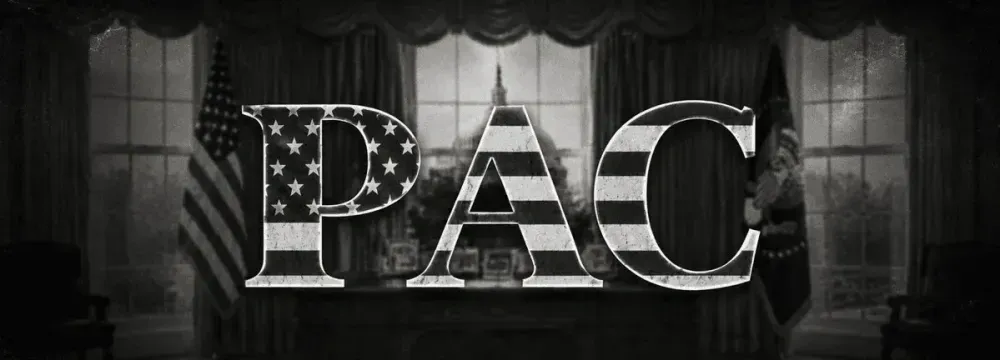
For a broader overview of the project's positioning, readers can compare this article with the WEEX Wiki guide, Public Asset Control: What PAC Token Really Is.
What Is Public Asset Control Token?
Public Asset Control token is a crypto token using the ticker PAC on Solana. The contract address listed by the project site and several tracking pages is:
B5xwCQUKfx8BJZsgvuBvW6XgrxtkqLTrDEAYjpLJpump
That address matters because names and tickers are easy to copy. A trader looking for PAC on a decentralized exchange should compare the exact contract address across the project site, token trackers, and the trading interface before taking any action.
| Item | Public Asset Control Token Detail |
|---|---|
| Token name | Public Asset Control |
| Ticker | PAC |
| Network | Solana |
| Contract address | B5xwCQUKfx8BJZsgvuBvW6XgrxtkqLTrDEAYjpLJpump |
| Core theme | Asset-control, strategic reserve, government-briefing style |
| Verified backing | No verified real-world asset backing visible as of May 20, 2026 |
| Practical category | Speculative Solana token with narrative-driven demand |
The key distinction is between branding and enforceable rights. A token can talk about reserves, institutions, commodities, or national assets without giving holders any legal claim on those assets. For PAC, no public evidence reviewed on May 20, 2026 confirms that token holders own, control, redeem, or receive income from oil, gold, rare earth assets, public reserves, or institutional balance sheets.
PAC's Branding Is The Point, But Also The Risk
The Public Asset Control token website uses language around capital orders, reserve composition, and asset intelligence. It also displays references to well-known public figures and corporations inside the theme. That can create a strong first impression, especially for readers who are new to RWA tokens.
But the project's own disclaimer is the detail that matters most. The official site states that PAC is for entertainment and speculative purposes, and that references to government entities, corporations, or individuals are fictional or satirical rather than real affiliations.
In practice, that means PAC should not be treated like a regulated fund, commodity-backed token, security token, or government-linked asset. The stronger reading is that Public Asset Control token is a speculative Solana token using an institutional-style story to attract attention.
Is Public Asset Control Token Backed By Real Assets?
There is no verified public evidence, as of May 20, 2026, that the Public Asset Control token is backed by real-world assets. The website's reserve-style language should be read as part of the token's theme, not as proof of custody, ownership, audits, redemption rights, or legal claims.
A real asset-backed token normally needs more than a narrative. Traders would expect to see at least some combination of legal documents, issuer identity, custody arrangements, asset audits, redemption terms, jurisdictional disclosures, administrator information, and risk factors. PAC does not appear to provide that level of verifiable infrastructure.
| Claim Type | What Traders Should Ask |
|---|---|
| Asset backing | Where are the assets held, and who legally owns them? |
| Reserves | Is there an independent audit or custodian statement? |
| Institutional links | Is there a direct confirmation from the institution mentioned? |
| Redemption | Can token holders redeem for cash, assets, or rights? |
| Governance | Who controls contract updates, liquidity, and project messaging? |
This does not automatically mean PAC is a scam. It means the evidence does not support treating it as a verified RWA product. The safer analytical category is speculative token, not asset-backed investment.
How PAC Trades And What To Check First
PAC appears to trade through Solana decentralized market routes, including PumpSwap-style liquidity. That market structure can move quickly, but it also creates obvious risks. Low-liquidity tokens can show large percentage gains on small capital flows, then reverse sharply when early holders sell or liquidity thins out.
Before buying PAC, traders should check:
- The exact contract address
- Liquidity depth
- Holder concentration
- Mint and freeze authority status
- Whether liquidity is locked or can be pulled
- Trading volume quality, not just headline volume
- Slippage settings before swapping
- Whether copycat tokens are using the same name or ticker
For step-by-step trading context, WEEX has a related guide on how to buy Public Asset Control token. The better habit is to treat any new Solana token as guilty of operational risk until the basic checks are complete.
What Traders Usually Miss About PAC
The biggest trap with Public Asset Control token is confusing narrative intensity with verification. A token can look institutional without being institutional. It can talk like an RWA product without giving holders RWA exposure. It can show a live chart without having durable liquidity.
The second trap is position sizing. Traders often see a low market cap and assume upside is the only important variable. In thin markets, exit liquidity matters more. A position that looks profitable on paper may become hard to exit without moving the price against yourself.
The third trap is contract confusion. Solana meme-token markets move fast, and copycat tickers can appear quickly. If the contract address is not checked carefully, a buyer may end up trading the wrong token entirely.
Public Asset Control Token Risk Checklist
| Risk | Why It Matters | Practical Check |
|---|---|---|
| Liquidity risk | Large sells may move the price sharply | Check pool liquidity before entering |
| Slippage risk | The executed price may differ from the quoted price | Use cautious slippage settings |
| Copycat risk | Similar tickers can mislead buyers | Match the full contract address |
| Narrative risk | Branding can outpace fundamentals | Separate claims from verified documents |
| Smart-contract risk | Token permissions may affect holders | Review mint, freeze, and authority data |
| Volatility risk | Price may move on attention rather than fundamentals | Avoid sizing based only on upside |
Conclusion
Public Asset Control token is best understood as a speculative Solana token built around a strong asset-control narrative. Its branding references reserves and institutions, but the project's own disclaimer points to entertainment and speculation rather than verified asset backing or official affiliation.
The practical conclusion is straightforward: PAC may interest traders who follow high-risk Solana narratives, but it should not be evaluated like a confirmed real-world asset token. The contract address, liquidity, holder structure, and project disclosures matter more than the theme. Readers can continue research through WEEX Wiki crypto guides before deciding whether PAC belongs anywhere near their watchlist.
FAQ
What is Public Asset Control token?
Public Asset Control token, or PAC, is a Solana-based crypto token with branding around asset control, reserves, and government-style briefings. It should be treated as speculative unless stronger evidence of real backing appears.
What is the PAC contract address?
The PAC contract address listed by the project site is B5xwCQUKfx8BJZsgvuBvW6XgrxtkqLTrDEAYjpLJpump. Always verify the full address before trading because token names and tickers can be copied.
Is PAC backed by gold, oil, or public assets?
No verified public evidence reviewed on May 20, 2026 confirms that PAC is backed by gold, oil, public assets, or institutional reserves. The asset-control language appears to be part of the project's narrative branding.
Is Public Asset Control token a meme coin?
PAC is not only a simple meme by presentation, but its current evidence profile is closer to a narrative-driven speculative token than a verified RWA or institutional asset product.
Should beginners buy PAC?
Beginners should be very cautious. PAC involves liquidity, volatility, copycat-token, and verification risks. Anyone researching it should first understand how Solana DEX trading, contract verification, and slippage work.
Risk Warning
Crypto assets are volatile and may result in partial or total loss. Public Asset Control token carries specific risks linked to thin liquidity, slippage, copycat contracts, unverified asset-backing claims, smart-contract permissions, and narrative-driven price swings. This article is for informational purposes only and is not financial advice.
You may also like
GOOG Stock: Alphabet’s 2026 AI Rally, Valuation and Risks
GOOG stock trades near record highs after Alphabet’s strong Q1 2026 results. Here’s what investors should watch in AI, cloud, valuation and risk.
Mastering Zest Protocol ($ZEST) Initial Listing on WEEX
WEEX is thrilled to announce the launch of Zest Protocol ($ZEST), offering users a pathway to engage with this project.
Where Can I Buy WCOR Coin? It Is Worth Buying in 2026
Where can I buy WCOR coin? Read the latest WCOR price, market data, risks, and whether World Collective Oil Reserve is worth buying on WEEX.

E Token MP: Online Fertilizer Token Booking Guide for Farmers
Learn what E Token MP is, how Madhya Pradesh farmers can book fertilizer tokens online, required documents, eligibility, and common issues.
WEEX Welcome Rewards: Unlock Up to 10,000 USDT
Join the WEEX Welcome Rewards event for new users. Complete sign-up, app login, deposit, futures trading, Trade to Earn, and Auto Earn tasks to unlock up to 10,000 USDT.
Dominion Energy Stock: Dividend, Merger News and 2026 Outlook
Dominion Energy stock now trades around a merger story dividend income and regulated utility growth. Here is what D investors should watch in 2026.

Global Digital Oil Reserve: What GDOR Traders Must Check
Learn what Global Digital Oil Reserve (GDOR) is, why its oil-reserve claim needs proof, and how to check liquidity, contracts, and risk.
Can I Trade Futures with $200? Beginner’s Guide on WEEX
Many newcomers to crypto wonder if starting futures trading with just $200 is realistic, especially when platforms promise…
Is $CHIP a Scam? Decoding the Crash and Pump Dump Red Flags
The $CHIP token has sparked heated debates in the crypto community, with its rapid price swings raising questions…
$CHIP Hype vs Reality: Is This the Next Crypto Trap?
The buzz around $CHIP token has exploded lately, with social media ablaze about its potential as the next…
What is Hormuz Reserve Protocol (HRP) Coin
Hormuz Reserve Protocol (HRP) Coin is a unique geopolitical DeFi narrative token on the Solana blockchain that captures…

Where and How to Buy Hormuz Reserve Protocol (HRP) Coin
If you’re exploring the crypto space and curious about Hormuz Reserve Protocol (HRP) coin, this article guides you…
Is Hormuz Reserve Protocol (HRP) Coin a Good Investment in 2026?
As cryptocurrency markets evolve in 2026, investors are eyeing niche tokens like Hormuz Reserve Protocol (HRP) Coin, which…
Is $HRP a Scam? 859% Surge Raises Rug Pull Concerns
The recent 859% surge in $HRP, the Hormuz Reserve Protocol token, has sparked widespread debate among crypto enthusiasts,…
What is Scam Altman (SCAM) Coin: Everything You Need to Know
Scam Altman (SCAM) is a meme-inspired cryptocurrency that draws from Elon Musk’s public criticisms of OpenAI CEO Sam…
XRP vs XLM: Which Crypto Could Make You a Millionaire?
Many people wonder which crypto can make you a millionaire, especially when comparing established players like XRP and…
Bitcoin vs XRP: Why Choose XRP Over Bitcoin in 2026?
Bitcoin holds the crown in the crypto world with its massive market cap and status as digital gold,…
Are Cross-Chain Bridges Safe After the $292M Hack?
In April 2026, the crypto world watched as KelpDAO suffered a massive $292 million loss from a single…
GOOG Stock: Alphabet’s 2026 AI Rally, Valuation and Risks
GOOG stock trades near record highs after Alphabet’s strong Q1 2026 results. Here’s what investors should watch in AI, cloud, valuation and risk.
Mastering Zest Protocol ($ZEST) Initial Listing on WEEX
WEEX is thrilled to announce the launch of Zest Protocol ($ZEST), offering users a pathway to engage with this project.
Where Can I Buy WCOR Coin? It Is Worth Buying in 2026
Where can I buy WCOR coin? Read the latest WCOR price, market data, risks, and whether World Collective Oil Reserve is worth buying on WEEX.
E Token MP: Online Fertilizer Token Booking Guide for Farmers
Learn what E Token MP is, how Madhya Pradesh farmers can book fertilizer tokens online, required documents, eligibility, and common issues.
WEEX Welcome Rewards: Unlock Up to 10,000 USDT
Join the WEEX Welcome Rewards event for new users. Complete sign-up, app login, deposit, futures trading, Trade to Earn, and Auto Earn tasks to unlock up to 10,000 USDT.
Dominion Energy Stock: Dividend, Merger News and 2026 Outlook
Dominion Energy stock now trades around a merger story dividend income and regulated utility growth. Here is what D investors should watch in 2026.


