
Hargreaves Lansdown Launches Cryptocurrency ETNs for UK Investors

 Prefer us on Google


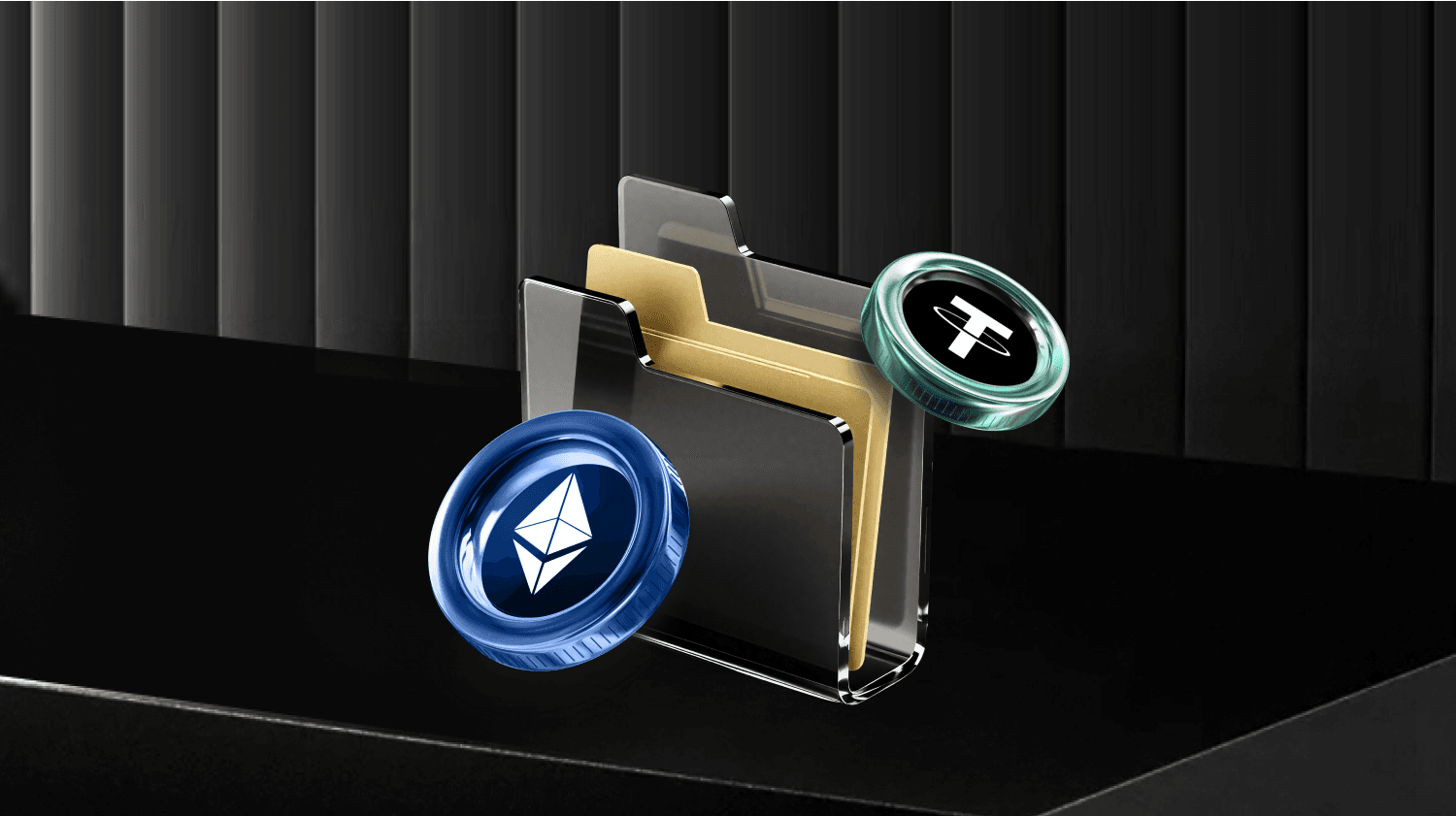
Cryptocurrency ETNs have become available on the Hargreaves Lansdown platform for a segment of British investors: the largest retail investment service in the country has added exchange-traded notes linked to Bitcoin and Ethereum. The launch began in September 2026 after the FCA lifted the ban on retail crypto ETNs, and the company had indicated plans to enter this segment nearly a year prior.
For Hargreaves Lansdown, this marks a significant shift beyond its usual product offerings: funds, stocks, and pension solutions. Now, clients can access digital assets through a regulated exchange instrument without directly purchasing cryptocurrency or dealing with a crypto wallet.
How Cryptocurrency ETNs Work on the Platform
An investor buys not the cryptocurrency itself, but a listed security that tracks the price of Bitcoin or Ethereum. An ETN, or exchange-traded note, operates as a debt instrument of the issuer: its value is tied to the underlying asset, but the note holder does not receive the actual coin. Such ETNs trade on the London Stock Exchange much like regular stocks, and the underlying assets are held by a regulated custodian. It is important not to confuse: here, ETN refers to a type of exchange instrument, not Electroneum (ETN).
In simple terms, if an ETN is linked to Bitcoin, the investor buys the note through the exchange, and its price moves in line with Bitcoin. When the underlying asset rises, the note's value typically goes up as well; when it falls, the price of the instrument decreases.
The main difference from directly purchasing digital coins is that the client does not need to store private keys, set up a separate wallet, or use an external platform like an online digital currency exchange service. Exposure to the market comes through a familiar brokerage interface and exchange infrastructure.
To briefly compare ETNs, ETFs, and ETCs, the differences are as follows:
- ETN — an exchange-traded note that tracks the price of an asset through the issuer's obligation. Plus — simple trading through the exchange; minus — dependence on the issuer's reliability.
- ETF — an exchange-traded fund that usually provides a share in a structure following an asset or index. Plus — a more familiar fund structure; minus — the availability of cryptocurrency ETFs depends on the rules of the specific jurisdiction.
- ETC — an exchange-traded commodity product, often linked to a single underlying asset. Plus — a clear connection to a specific asset; minus — the investor still does not manage this asset directly.
Access is not open to everyone. Hargreaves Lansdown has limited the product to several categories of clients, and purchases go through FCA verification:
- Certified high-net-worth investors can access cryptocurrency ETNs after confirming their status.
- Restricted investors can use such instruments if they are willing to allocate less than 10% of their net assets to them.
- Before a transaction, the client undergoes a compliance check to confirm understanding of the product and associated risks.
- After verification, a mandatory 24-hour waiting period applies, as required by the FCA.
- Only then can the investor place an exchange order through the Hargreaves Lansdown platform.
Why the Launch is Important for the UK Market
Previously, Hargreaves Lansdown took a more cautious stance and did not encourage clients to access cryptocurrencies directly. The situation changed after the regulator allowed cryptocurrency ETNs for professional and qualified market participants. This opened the door for major brokerage platforms looking to offer clients a more familiar format for investing in digital assets.
In this market, Hargreaves Lansdown is not a pioneer. Before it, 21Shares had already launched the first cryptocurrency ETNs on the London Stock Exchange, laying the groundwork for the further emergence of similar products on major investment platforms.
At the same time, the company explicitly points out the risks. Several factors are crucial for cryptocurrency ETNs:
- Such instruments are not covered by the Financial Compensation Scheme for services.
- The prices of Bitcoin, Ethereum, and other blockchain assets can fluctuate sharply, so volatility remains a key risk.
- Investors should be prepared for the complete loss of their invested funds.
- There is credit risk from the issuer: if they encounter problems, it may affect the value and fulfillment of obligations under the note.
- Liquidity can vary, and at certain times it may be more difficult to buy or sell the instrument at the desired price.
- Regulatory rules for cryptocurrency products continue to change, which may also affect availability and trading conditions.
Cryptocurrency ETNs make access to digital assets easier, but they do not make the assets themselves less risky.
What Changes for Investors
The launch indicates that access to the cryptocurrency market in the UK is gradually shifting from specialized platforms to familiar investment platforms. For many retail clients, this may be a more understandable path: instead of self-custody of coins, they receive an instrument that is traded through an exchange and integrated into the existing investment system.
The regulatory environment continues to evolve. At the center of the process is the UK FCA, not the Securities and Exchange Commission, which belongs to a different jurisdiction. Against the backdrop of new rules and increasing tax reporting requirements, Hargreaves Lansdown is betting on a format where the investor receives price exposure to cryptocurrency without the technical burden associated with managing keys.
For the UK market, this is another signal: cryptocurrency is increasingly entering traditional investment infrastructure, but along with convenience, it retains a high level of risk.
Cryptocurrency ETNs have clear advantages: access through a regular brokerage account, trading on the exchange, no need to store private keys, and working with a crypto wallet.
The downsides remain: the investor does not own Bitcoin or Ethereum directly, depends on the issuer's conditions and market liquidity, and the outcome is still determined by the dynamics of the underlying crypto assets and market sentiment.
-- Price
This content is provided for general informational purposes only and doesn't constitute financial, investment, legal, or tax advice. Any events, rewards, online promotions, or related information mentioned herein should not be considered a recommendation, solicitation, or invitation to purchase, sell, trade, or otherwise deal in any crypto assets. Crypto assets are highly volatile and may result in loss. The availability of WEEX services, products, and related events may vary by region. You are responsible for ensuring that your participation is in accordance with applicable local laws and regulations.
You may also like
Robinhood Chain activity is mostly ‘degen flow,’ ARK researcher says
Changes in ARCA's Monotributo for September 2026: New Payment Schedule and Quota Scale
Copy Trading: How Does It Work in 2026?

PostGREShell: flaw in PostgreSQL turned backup accounts into backdoors

Namelaka Confectionery in Kyiv Temporarily Closed Due to Employee Poisoning

Should You Invest in Cryptocurrency in 2026-2027: New Rules, Risks, and a Reasonable Portfolio Share

MEME1 Price Prediction After 1,000x Pump: Overvalued or More Upside?

TOKEN2049: Exclusive Info and Promo Code

Bitcoin Price Ahead of Jobs Report: Has Crypto Already Priced In the Fed's Next Move?
Robinhood put stocks on a permissionless blockchain- memecoin traders are stress-testing what happens next

Ukraine exported 646 thousand tons of sugar, increasing shipments by 11%

Bitcoin’s 316-day hashrate drought shows why AI could make this mining downturn harder to reverse

Wall Street Dialogues: Long Rates Challenge Scott Bessent and Trigger Global Alert, What Will the Fed Do?
Tuven Chain: A New Solution to the Gas Fee Payment Dilemma and Analysis of Related Security Risks

Chainlink brings US economic data to 10 blockchains

Where Should Global Crypto Platforms Report CARF? An Analysis of Reporting Nexus Rules

A Practical Guide to FOMO: How to Find People and Coins in Social Trading?

Latest Non-Farm Payroll Forecast: Job Growth May Slow, Fed Faces Complex Choices
Renewed Clashes After a Month of Silence: Why the US-Iran Conflict Resumed and How the Market Reacted?
IOSG: Reg CA is not the switch for a bull market in token issuance, but a 'graduation exam' for existing tokens

OKI vs IKE vs IKZE: What to Choose in 2026? Taxes, Limits, and Calculations for 2027
Digital Ruble Fails to Generate Significant Interest Among Russians, Says Sberbank
How to Distinguish pipedog from Its Identical Bytecode Clone

The 25th Word: A Secret Vault in Your Ledger Signer

After a 10-Week Buying Pause, Is Strategy Finally Returning to 'Buy, Buy, Buy' Mode?

Scott Bessent and Kevin Warsh Ordered the US Bond Curve and There Was No Tantrum Over the Upcoming Rate Hike
ETH: Anatomy of a Scarcity
The Black Triangle on Crypto Exchanges: Why a Cryptocurrency Seller May Become a Suspect
G20 in Asheville: The USA summons the world's financiers to discuss growth and sanctions against Iran
Uzbekistan Confirms Purchase of J-10CE Fighter Jet, Challenging Russian Military Dominance in Central Asia
Robinhood Chain activity is mostly ‘degen flow,’ ARK researcher says
Changes in ARCA's Monotributo for September 2026: New Payment Schedule and Quota Scale
Copy Trading: How Does It Work in 2026?
PostGREShell: flaw in PostgreSQL turned backup accounts into backdoors
Namelaka Confectionery in Kyiv Temporarily Closed Due to Employee Poisoning
Should You Invest in Cryptocurrency in 2026-2027: New Rules, Risks, and a Reasonable Portfolio Share

Contents
Latest articles




Latest coin listings on WEEX


