
Analysis of Recent Developments in the Cryptocurrency Market


Key Takeaways
- Recent changes in the cryptocurrency market have influenced investor sentiment and market dynamics.
- The integration of blockchain technology in various sectors continues impacting economic and technological landscapes.
- Regulatory discussions around cryptocurrencies remain a significant factor in market volatility.
- Different cryptocurrencies address various real-world issues, highlighting the diverse applications of blockchain technology.
WEEX Crypto News, 2025-12-18 15:08:33
Introduction
The cryptocurrency market is an ever-evolving landscape, characterized by rapid changes and significant technological advances. Over the years, blockchain technology has not only provided new investment opportunities but has also begun reshaping global economic systems. In this article, we delve into the complexities of recent developments within the cryptocurrency market while exploring how these changes impact both investors and the broader financial environment. By examining the influence of blockchain on various sectors and the ongoing regulatory discussions, we aim to provide a comprehensive overview that will engage both seasoned investors and newcomers alike.
The Rise of Blockchain and Its Diverse Applications
Blockchain technology, the backbone of cryptocurrencies, enables decentralized and secure transactions. This innovative system has been a game-changer in several industries, ranging from finance and healthcare to supply chain management. The core principle of blockchain revolves around creating a transparent and immutable ledger that can be accessed by multiple parties without the need for a central authority. This decentralization not only enhances security but also opens the door for numerous applications.
In finance, blockchain technology streamlines operations by facilitating faster and more secure transactions, reducing the need for intermediaries. For instance, cross-border payments traditionally involve multiple bank interactions, resulting in delays and high transaction costs. Blockchain offers an efficient alternative, enabling near-instant transfers with minimal fees. Similarly, in supply chain management, blockchain creates traceable and transparent processes that enhance accountability and efficiency. By tracking goods from origin to market, companies can ensure quality control and minimize fraud risks. The use of smart contracts further automates operations and enhances reliability, facilitating real-time updates and reducing the potential for human errors.
Market Fluctuations: Drivers and Impact
The ever-changing cryptocurrency market is shaped by several factors, including investor behavior, regulatory changes, and technological advancements. Price volatility remains a hallmark of the cryptocurrency market, influenced by speculative trading, global economic events, and regulatory announcements. For example, news of regulatory crackdowns in major markets often triggers sharp price movements, reflecting the uncertainties faced by investors. Conversely, technological advancements, such as improvements in blockchain scalability and security features, tend to bolster investor confidence and contribute to market growth.
Market fluctuation is also driven by the adoption rate of cryptocurrencies and blockchain technology in everyday transactions. Companies integrating these technologies into their operations influence market sentiment, potentially driving prices upward. Additionally, endorsements by key figures in the crypto industry or major financial institutions can lead to temporary surges in the value of cryptocurrencies. Such endorsements often signal increased legitimacy and acceptance of cryptocurrencies, encouraging wider adoption and attracting new investors. However, the reality of market dynamics is complex and requires ongoing analysis to anticipate potential risks and opportunities effectively.
Regulatory Landscape and Its Influence
The regulatory environment surrounding cryptocurrencies significantly impacts market dynamics. As blockchain technology and cryptocurrencies gain prominence, governments and financial bodies worldwide continue to grapple with creating a regulatory framework that ensures security and consumer protection. However, the decentralized nature of cryptocurrencies poses challenges for regulators seeking to implement effective oversight.
Regulatory developments often cause market volatility, as investors react to new restrictions or supportive policies. For instance, news of stricter regulations in a major market can lead to significant sell-offs, whereas regulatory endorsements or supportive policies can drive bullish sentiment. Some jurisdictions embrace cryptocurrencies by enacting supportive regulation that fosters growth and innovation, while others impose restrictions intending to curb potential misuse. A prime example is the European Union’s recent initiative to establish a comprehensive regulatory framework aimed at mitigating risks and facilitating innovation. This approach has sparked discussions about potential global regulatory standards and their implications for both market stability and innovation.
The Intersection of Cryptocurrencies and Traditional Finance
The growing interest in cryptocurrencies among traditional financial institutions marks a significant shift in the financial landscape. Several banks and investment firms have begun integrating blockchain technology into their operations, recognizing its potential to enhance efficiency and transparency. This trend signifies the convergence of traditional finance and digital assets, further blurring the lines between these previously distinct sectors.
Traditional banks are increasingly exploring blockchain-based solutions for cross-border transactions, enabling them to offer faster and cheaper services to their clients. Moreover, many financial institutions have started offering cryptocurrency-related products and services, such as digital asset custody and trading platforms. These developments pave the way for more widespread adoption of cryptocurrencies, ultimately driving market growth. As traditional financial entities continue to explore the use of blockchain, the potential for greater market stability and innovation increases. This convergence holds promise for reducing transactional costs, increasing the speed of financial transactions, and enabling broader access to financial services for individuals worldwide.
Technological Advances Shaping the Future
The ongoing evolution of blockchain technology promises to introduce new possibilities across various sectors. Innovations aimed at improving scalability, security, and energy efficiency are critical to overcoming limitations and driving acceptance. Furthermore, developments such as Layer 2 solutions, designed to enhance network throughput without compromising security, are gaining traction in the blockchain community.
Artificial intelligence (AI) is another technology intersecting with blockchain, presenting new opportunities for automation and smart decision-making. Combining AI with blockchain enhances the potential for improving processes in areas such as supply chains and financial services, creating smarter, more efficient systems. This integration has the potential to transform industries by providing insights through data analysis, streamlining operations, and boosting productivity.
Moreover, the exploration of quantum computing could have far-reaching implications for blockchain technology. While it poses potential security challenges, advancements in cryptographic methods are underway to ensure the resilience of blockchain systems against potential quantum attacks. By preparing for future technological advancements, the blockchain community can safeguard its networks and maintain the security and integrity that are fundamental to the successful operation of any blockchain-based system.
Conclusion
The cryptocurrency market is a dynamic and rapidly evolving environment. From technological advances to regulatory developments and the increasing intersection of cryptocurrencies and traditional finance, the market continues to shape and define new boundaries in the financial world. The diverse applications of blockchain technology in various sectors highlight its transformative potential, providing efficiencies and transparency across industries. As the landscape continues to evolve, investors and stakeholders must remain informed about the changes shaping this exciting frontier.
Frequently Asked Questions (FAQs)
What drives volatility in the cryptocurrency market?
Volatility in the cryptocurrency market is driven by numerous factors, including investor sentiment, regulatory announcements, technological advancements, and macroeconomic events. Speculative trading and market speculation also play significant roles in price fluctuations.
How does blockchain technology benefit traditional financial institutions?
Blockchain technology provides traditional financial institutions with faster and more cost-effective transaction processes. It enhances transparency and security, offering improved operational efficiencies and innovative services such as blockchain-based cross-border payments and smart contracts.
What is the current regulatory situation for cryptocurrencies?
The regulatory landscape for cryptocurrencies varies widely across different jurisdictions. Some regions impose strict regulations to prevent misuse, while others support growth and innovation, reflecting a complex and evolving regulatory framework globally.
What role does artificial intelligence play in blockchain technology?
Artificial intelligence enhances blockchain technology by facilitating automation, improving data analysis, and enhancing decision-making processes. AI interacts with blockchain systems to streamline operations and provide valuable insights across various sectors.
How is quantum computing expected to impact blockchain security?
Quantum computing poses potential security challenges to current blockchain cryptographic methods. As a response, the blockchain community is exploring new cryptographic techniques to ensure resilience against future quantum attacks, aiming to preserve system integrity and security.
You may also like

Will PAC Coin Reach $1? PAC Crypto Price Analysis
Will PAC coin reach 1? Current price is 0.000467, 1B supply, 467K marketcap. Here is what 467K marketcap would actually require.

Claude AI helps uncover forgotten Bitcoin fortune worth $400K hidden for 11 years
Claude AI helped recover a Bitcoin wallet lost for 9 years. 5 BTC, $400K. Did AI crack encryption? No. Here is what actually happened.

What Is COAR Crypto? Chinese Oil Asset Reserve (COAR) Coin Explained
What is COAR crypto? Chinese Oil Asset Reserve on Solana. market cap, oil-themed meme token. No real reserves. Learn risks & data inside.
Introducing Superform ($UP): User-Owned Onchain Neobank and Price Prediction
Superform is a user-owned onchain neobank gaining attention from v2 growth, SuperVaults, $UP utility, and WEEX trading.

What Is SAOS Crypto? Can SAOS Hit $0.1?
Is SAOS crypto a hidden gem? Strategic American Oil Supply on Solana explained. No hype, just data: $75K cap, locked LP, RWA narrative.
World Collective Oil Reserve (WCOR) Crypto Price Prediction 2026: Is WCOR a Good Investment
World Collective Oil Reserve (WCOR) crypto price prediction for 2026. We analyze the Solana registry token, on-chain risks, and whether WCOR can break 0.015.

$SUPERFORM Airdrop on WEEX: Complete Guide to SUPERFORM and Claim Free $SUPERFORM
Learn Superform tokenomics, its user-owned neobank ecosystem, and how to claim rewards in the WEEX 50,000 USDT SUPERFORM airdrop before May 21, 2026.

What Is WEEX Token (WXT)? A Complete Guide
WEEX Token (WXT) is the native utility token within the WEEX ecosystem. Its main purpose is to improve the trading experience rather than serve purely as a speculative asset.
In simple terms, WXT is mainly used for fee discounts (the more you hold, the lower your trading fees), staking rewards, and participation in platform events and governance voting. It also allows users to engage more deeply in the WEEX ecosystem, including promotional campaigns and future Web3 integrations.
In terms of acquisition, users can typically buy WXT directly on the WEEX exchange using assets like USDT, or earn it through platform events. For storage, it can be kept in an exchange wallet for convenience or transferred to external wallets (such as cold wallets) for enhanced security.
From a tokenomics and market perspective, WXT’s value is closely tied to WEEX’s user growth, trading volume, and overall crypto market conditions, making it relatively volatile and high-risk. Analysts generally view it as more suitable for users interested in the long-term development of the platform rather than short-term speculation.
Overall, WXT is a “trading utility token” that enhances user experience through fee discounts, staking benefits, and eco

What is World Cup Doge (WCDOGE) Coin? Is WCDOGE a Good Investment?
What is WCDOGE crypto? Meme token or football fan play? Real data, honest risks, and how to buy World Cup Doge.
SIM Owner Details: Legal PTA Check and Safety Guide
Learn what SIM owner details means, how to check SIMs on your CNIC through official PTA channels, and how to avoid lookup scams.
NBIS Stock: What Nebius’ AI Cloud Surge Means Now
NBIS stock jumped as Nebius reported rapid AI cloud growth. See the key Q1 2026 numbers, catalysts, valuation risks, and what to watch next.

WXT Bounty Hunter Program Explained: Earn Crypto Rewards While Learning to Trade on WEEX
The WXT Bounty Hunter Program is a WEEX campaign running from May 8 to May 18, 2026, designed to help beginners learn crypto trading while earning rewards.
Users complete simple tasks like depositing USDT, trading WXT, and holding tokens to receive WXT rewards. New users can earn bonuses such as 200 WXT, while advanced users can compete for larger rewards based on trading activity, including a 100,000 WXT prize pool.
The program uses net metrics (deposits and buys minus withdrawals) to ensure fairness and excludes institutional trading. Holding 300 WXT also unlocks extra benefits like enhanced airdrops.
Overall, it combines learning and earning, making it an entry point into crypto trading on WEEX.

Grass Token Price: GRASS Live Data, Drivers, and Risks
Track Grass token price, market cap, supply, unlocks, and key GRASS price drivers before trading the Solana AI and DePIN token.
WCOR Coin Explained: World Collective Oil Reserve on Solana
WCOR coin is a Solana token tied to an oil-reserve registry narrative. Here’s what it claims, current data, and the risks traders should watch.
What Is SAOS Crypto? Can SAOS Hit $0.1?
Is SAOS crypto a hidden gem? Strategic American Oil Supply on Solana explained. No hype, just data: $75K cap, locked LP, RWA narrative.
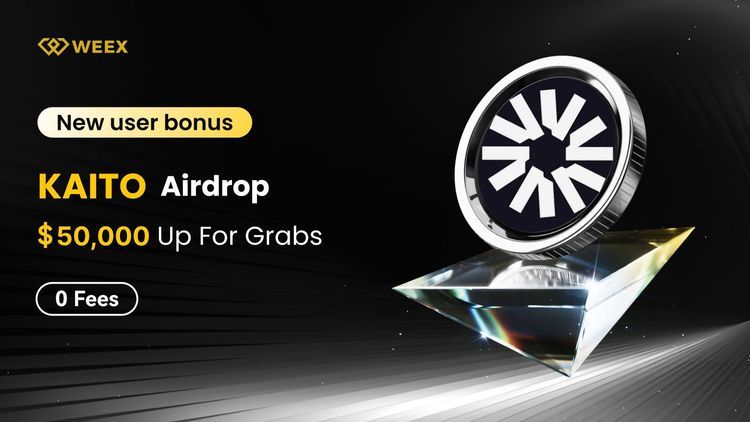
KAIO Airdrop: Share 50,000 USDT on WEEX with 0-Fee Trading
Trade KAIO/USDT with 0 fees on WEEX from May 7–14, 2026. New users can complete deposit and spot trading tasks to share 50,000 USDT in rewards.

What Is SAOS? Strategic American Oil Supply Token Explained
SAOS is a meme token on Solana with a 75,000 USD market cap and 22,000 USD locked liquidity, positioned around oil supply themes but lacking real asset backing
It thrives on pure narrative speculation, with no utility, website, or doxxed team, making it highly volatile and attention-dependent
Traders should distinguish SAOS from legitimate real-world asset projects, as its branding is speculative rather than substantive
Positive aspects include locked liquidity reducing rug pull risks, but low trading activity signals high uncertainty
How to Buy Public Asset Control (PAC) Token in 2026: Latest Solana Buying Guide
How to buy Public Asset Control (PAC) token in 2026, PAC contract address, Solana wallet setup, Jupiter swap guide, latest price, liquidity, and risks.
Will PAC Coin Reach $1? PAC Crypto Price Analysis
Will PAC coin reach 1? Current price is 0.000467, 1B supply, 467K marketcap. Here is what 467K marketcap would actually require.
Claude AI helps uncover forgotten Bitcoin fortune worth $400K hidden for 11 years
Claude AI helped recover a Bitcoin wallet lost for 9 years. 5 BTC, $400K. Did AI crack encryption? No. Here is what actually happened.
What Is COAR Crypto? Chinese Oil Asset Reserve (COAR) Coin Explained
What is COAR crypto? Chinese Oil Asset Reserve on Solana. market cap, oil-themed meme token. No real reserves. Learn risks & data inside.
Introducing Superform ($UP): User-Owned Onchain Neobank and Price Prediction
Superform is a user-owned onchain neobank gaining attention from v2 growth, SuperVaults, $UP utility, and WEEX trading.
What Is SAOS Crypto? Can SAOS Hit $0.1?
Is SAOS crypto a hidden gem? Strategic American Oil Supply on Solana explained. No hype, just data: $75K cap, locked LP, RWA narrative.
World Collective Oil Reserve (WCOR) Crypto Price Prediction 2026: Is WCOR a Good Investment
World Collective Oil Reserve (WCOR) crypto price prediction for 2026. We analyze the Solana registry token, on-chain risks, and whether WCOR can break 0.015.


