
Pi Coin Price Analysis: Will Pi Network Price Break Through $2 Today?

Pi Coin, the native cryptocurrency of Pi Network, has been on an impressive price surge recently, catching the attention of both investors and crypto enthusiasts. As of today, Pi Coin is trading at approximately $1.80, marking a strong 4% increase in the past 24 hours. But with growing speculation around major exchange listings and increasing market interest, many are asking: Will Pi Network price break through the $2 barrier today? WEEX will dive deeper into the latest price trends, key factors behind Pi Coin’s rise, and what the future might hold for this crypto asset.
Pi Coin Price Today: A Closer Look at the Surge
Pi Coin's price in dollar today stands at $1.55, which is a significant increase from its lows earlier in 2025. Pi Network, which launched its Open Mainnet on February 20, 2025, has been on a bullish trajectory ever since. Following this transition, Pi Coin reached a high of $1.60, reflecting the excitement surrounding the project’s advancements. Currently, Pi Network holds the #11 spot on the cryptocurrency rankings, boasting a market cap of nearly $10 billion and a 24-hour trading volume of $818.25 million.

The Pi coin price surge can be attributed to several crucial developments, including the Open Mainnet launch, anticipation of exchange listings, and the upcoming Know Your Customer (KYC) grace period deadline. These events have heightened interest and speculation surrounding the project, with many now questioning whether Pi Coin will break through the $2 price mark soon.
Key Factors Behind Pi Coin's Recent Price Surge
Several elements have contributed to Pi Coin's remarkable rise:
- Mainnet Launch: The successful launch of Pi Network's Open Mainnet has been a significant catalyst for the price surge. This major milestone allowed users to migrate their coins to the mainnet, driving increased adoption and confidence in Pi Coin's future.
- Exchange Listings: One of the most significant drivers behind Pi Coin’s price surge cryptocurrency is the speculation surrounding its potential listings on major exchanges like Binance. A listing on Binance, the world’s largest cryptocurrency exchange, could provide Pi Coin with global exposure, boosting liquidity and potentially sending its price higher. Other exchanges like OKX, Bitget, and WEEX have already listed Pi Coin, but the Binance listing remains the most anticipated.
- KYC Grace Period: Pi Network’s KYC grace period is set to end on February 28, 2025, marking a key milestone in Pi Coin's roadmap. As the deadline approaches, many users are rushing to complete the KYC process and migrate their coins, creating additional demand and contributing to the price surge.
- Massive Trading Volume: Pi Coin’s 24-hour trading volume has reached impressive levels, further signaling growing interest and activity in the market. This volume spike indicates that more investors are becoming involved in Pi Coin, which could drive further price increases in the short term.
Pi Coin Price Prediction: What’s Next for Pi Network?
As Pi Network continues to gain momentum, many are eager to know whether Pi Coin can continue its bullish trend. Pi coin price predictions vary, but there is optimism around its future.
- Short-Term Outlook
In the short term, analysts are eyeing the $1.80 resistance level. If Pi Coin can break through this barrier, it could potentially target its all-time high of $2.20, representing a 36% increase from its current levels. This price surge would mark a significant milestone, as breaking through the $2 barrier would solidify Pi Coin’s place as a top contender in the cryptocurrency market.
- Long-Term Pi Coin Price Prediction:
Looking further ahead, the long-term Pi coin price prediction remains highly optimistic. Some forecasts suggest that Pi Coin could reach as high as $100 or even $500 by 2030, assuming it continues to gain adoption and solidify its use cases. The growth of Pi Network’s ecosystem, coupled with wider integration into real-world applications, will be crucial in determining whether these high projections become a reality.
Will Pi Coin Break Through $2 Today?
With Pi Coin currently trading at $1.65 and showing strong bullish momentum, many are wondering if it will break the $2 mark today. While the Pi coin price today is still below its all-time high, the growing trading volume, coupled with speculation about the Binance listing and the KYC deadline, suggests that Pi Coin could soon break through the $2 barrier.
However, cryptocurrency markets are known for their volatility. While the outlook for Pi Coin remains bullish, it’s important to remember that short-term corrections are possible. As seen in the past, Pi Coin has experienced significant price fluctuations, including a sharp dip from $2.20 to $0.737 following its initial surge in February.
How to Sell Pi Coin: A Step-by-Step Guide
If you're looking to take advantage of Pi Coin’s price surge and sell your Pi Coins, it’s essential to understand the process involved. With Pi Network undergoing its mainnet transition, users can now transfer and sell Pi Coins through various exchanges. Here's a detailed breakdown of how to sell Pi Coin:
1. Ensure Your Pi Coins Are on the Mainnet
Before you can sell your Pi Coins, they need to be migrated to the mainnet. Pi Network's transition to the Open Mainnet on February 20, 2025, means that coins on the testnet are no longer valid for transactions. If your coins are still on the testnet, you will need to complete the migration process.
2. Complete KYC Verification
The ability to sell Pi Coin is likely to require completing the Know Your Customer (KYC) process. Pi Network is enforcing this as part of its security measures and to comply with global regulatory standards. The KYC process involves verifying your identity, so make sure you have the necessary documents ready. Note that the KYC deadline is approaching on February 28, 2025, so be sure to complete this step soon.
3. Choose a Supported Exchange
Once your coins are on the mainnet and KYC verification is complete, you can sell your Pi Coins on exchanges that support the token. Currently, Pi Coin is available on platforms like OKX, HTX, and WEEX. Keep in mind that more exchanges may soon support Pi Coin, especially with the anticipated Binance listing, which could increase the liquidity and accessibility of Pi Coin for a broader user base.
4. Transfer Pi Coins to the Exchange
After registering on an exchange that supports Pi Coin, transfer your coins from your Pi Network wallet to your exchange wallet. This typically involves generating a deposit address on the exchange, then using that address to transfer your Pi Coins.
5. Place a Sell Order
Once your Pi Coins are deposited into your exchange wallet, you can place a sell order. Most exchanges will allow you to sell your coins either at the current market price (market order) or at a specific price of your choice (limit order). Choose the option that fits your selling strategy.
6. Withdraw Your Earnings
After your Pi Coins have been sold, you’ll receive your earnings in the form of the exchange’s base currency (typically USDT, BTC, or ETH). You can then choose to keep your earnings on the exchange or withdraw them to your personal wallet for added security.
Conclusion: Will Pi Coin Break Through $2?
In conclusion, Pi Coin price analysis shows strong bullish momentum and a clear path to potential price surges. With speculation around the Binance listing, the KYC deadline, and the ongoing growth of Pi Network, many are predicting that Pi Coin may soon break the $2 mark. However, market volatility should be kept in mind, and investors should stay informed as Pi Coin continues its journey toward the top 10 cryptocurrencies.
For now, Pi Coin remains a highly promising asset to watch in the cryptocurrency space. Will Pi Coin continue to rise? Time will tell, but the future looks bright for Pi Network as it evolves and gains global recognition.
You may also like

What Is WEEX Token (WXT)? A Complete Guide
WEEX Token (WXT) is the native utility token within the WEEX ecosystem. Its main purpose is to improve the trading experience rather than serve purely as a speculative asset.
In simple terms, WXT is mainly used for fee discounts (the more you hold, the lower your trading fees), staking rewards, and participation in platform events and governance voting. It also allows users to engage more deeply in the WEEX ecosystem, including promotional campaigns and future Web3 integrations.
In terms of acquisition, users can typically buy WXT directly on the WEEX exchange using assets like USDT, or earn it through platform events. For storage, it can be kept in an exchange wallet for convenience or transferred to external wallets (such as cold wallets) for enhanced security.
From a tokenomics and market perspective, WXT’s value is closely tied to WEEX’s user growth, trading volume, and overall crypto market conditions, making it relatively volatile and high-risk. Analysts generally view it as more suitable for users interested in the long-term development of the platform rather than short-term speculation.
Overall, WXT is a “trading utility token” that enhances user experience through fee discounts, staking benefits, and eco

What is World Cup Doge (WCDOGE) Coin? Is WCDOGE a Good Investment?
What is WCDOGE crypto? Meme token or football fan play? Real data, honest risks, and how to buy World Cup Doge.

SIM Owner Details: Legal PTA Check and Safety Guide
Learn what SIM owner details means, how to check SIMs on your CNIC through official PTA channels, and how to avoid lookup scams.
NBIS Stock: What Nebius’ AI Cloud Surge Means Now
NBIS stock jumped as Nebius reported rapid AI cloud growth. See the key Q1 2026 numbers, catalysts, valuation risks, and what to watch next.

WXT Bounty Hunter Program Explained: Earn Crypto Rewards While Learning to Trade on WEEX
The WXT Bounty Hunter Program is a WEEX campaign running from May 8 to May 18, 2026, designed to help beginners learn crypto trading while earning rewards.
Users complete simple tasks like depositing USDT, trading WXT, and holding tokens to receive WXT rewards. New users can earn bonuses such as 200 WXT, while advanced users can compete for larger rewards based on trading activity, including a 100,000 WXT prize pool.
The program uses net metrics (deposits and buys minus withdrawals) to ensure fairness and excludes institutional trading. Holding 300 WXT also unlocks extra benefits like enhanced airdrops.
Overall, it combines learning and earning, making it an entry point into crypto trading on WEEX.

Grass Token Price: GRASS Live Data, Drivers, and Risks
Track Grass token price, market cap, supply, unlocks, and key GRASS price drivers before trading the Solana AI and DePIN token.

WCOR Coin Explained: World Collective Oil Reserve on Solana
WCOR coin is a Solana token tied to an oil-reserve registry narrative. Here’s what it claims, current data, and the risks traders should watch.

What Is SAOS Crypto? Can SAOS Hit $0.1?
Is SAOS crypto a hidden gem? Strategic American Oil Supply on Solana explained. No hype, just data: $75K cap, locked LP, RWA narrative.
KAIO Airdrop: Share 50,000 USDT on WEEX with 0-Fee Trading
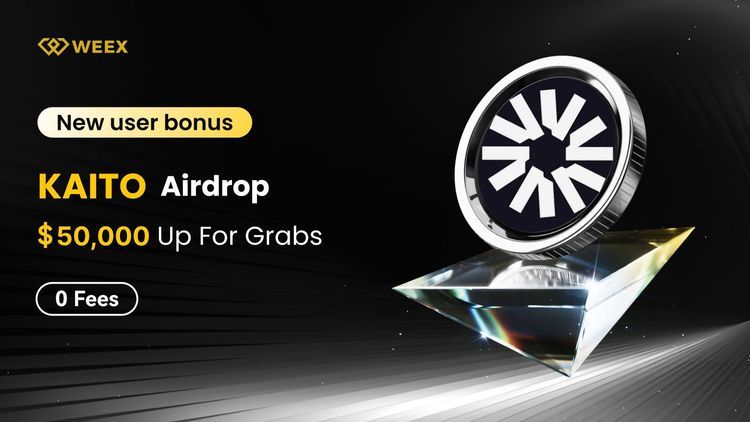
Trade KAIO/USDT with 0 fees on WEEX from May 7–14, 2026. New users can complete deposit and spot trading tasks to share 50,000 USDT in rewards.

What Is SAOS? Strategic American Oil Supply Token Explained
SAOS is a meme token on Solana with a 75,000 USD market cap and 22,000 USD locked liquidity, positioned around oil supply themes but lacking real asset backing
It thrives on pure narrative speculation, with no utility, website, or doxxed team, making it highly volatile and attention-dependent
Traders should distinguish SAOS from legitimate real-world asset projects, as its branding is speculative rather than substantive
Positive aspects include locked liquidity reducing rug pull risks, but low trading activity signals high uncertainty
How to Buy Public Asset Control (PAC) Token in 2026: Latest Solana Buying Guide
How to buy Public Asset Control (PAC) token in 2026, PAC contract address, Solana wallet setup, Jupiter swap guide, latest price, liquidity, and risks.
What Is Public Asset Control (PAC) Token and How Does It Work? Latest Solana PAC Token Guide
Public Asset Control (PAC) token explained. Learn what PAC is, how it works on Solana, current price snapshot, risks, and buying basics.

Can PAC Coin Reach $1 Soon? Analyzing Public Asset Control
PAC is a Solana-based meme token with a government-themed narrative, but it is highly speculative.
At its current price (~$0.0009) and 1B supply, reaching $1 would require a $1B market cap, which is very unlikely.
Short-term moves to $0.001 or $0.01 are more realistic, but the token is highly volatile due to low liquidity and hype-driven trading.
Overall, $1 is not a realistic target, and PAC is better suited for short-term speculation than long-term investment.

United Nations Oil Reserve (UNOS) Crypto: Solana Token, UN Links, and Risks
United Nations Oil Reserve (UNOS) Crypto explained: Solana token basics, UN links, oil-backing claims, market risks, contract checks, and buying cautions.

What Is Public Asset Control (PAC) Coin? Explained for Beginners
Public Asset Control (PAC) is a Solana-based token that uses a “government asset control” narrative involving oil and gold themes, but it has no verified ties to any real institutions or governments. It is mainly an entertainment-focused, speculative meme coin.
The project’s claims about links to entities like BlackRock or Palantir are unverified, and its own disclaimer states it is not a real financial or institutional asset. Like many new Solana tokens, PAC is highly volatile, with low liquidity and limited transparency, including no fully verified audit.
Overall, PAC is a high-risk speculative token driven by hype and storytelling rather than real utility. Beginners are advised to be cautious, verify contract details, and prioritize risk control before considering any trading.
What Is Official Saudi Oil Reserve (OSOR) Coin?
Learn what OSOR coin is, why its Saudi oil narrative matters, how to verify the contract, and what risks to check before trading.
Global Digital Oil Reserve (GDOR): What It Is, Risks, and How to Check It
Global Digital Oil Reserve (GDOR) is an oil-themed Solana token with unclear backing. Learn its risks, market data, and verification checklist.

Is OBC Crypto a Good Investment?
Is OBC crypto a good investment? We analyze the latest market data, holder concentration, liquidity risks, and short-term momentum. Read this before you invest in OBC token.
What Is WEEX Token (WXT)? A Complete Guide
WEEX Token (WXT) is the native utility token within the WEEX ecosystem. Its main purpose is to improve the trading experience rather than serve purely as a speculative asset.
In simple terms, WXT is mainly used for fee discounts (the more you hold, the lower your trading fees), staking rewards, and participation in platform events and governance voting. It also allows users to engage more deeply in the WEEX ecosystem, including promotional campaigns and future Web3 integrations.
In terms of acquisition, users can typically buy WXT directly on the WEEX exchange using assets like USDT, or earn it through platform events. For storage, it can be kept in an exchange wallet for convenience or transferred to external wallets (such as cold wallets) for enhanced security.
From a tokenomics and market perspective, WXT’s value is closely tied to WEEX’s user growth, trading volume, and overall crypto market conditions, making it relatively volatile and high-risk. Analysts generally view it as more suitable for users interested in the long-term development of the platform rather than short-term speculation.
Overall, WXT is a “trading utility token” that enhances user experience through fee discounts, staking benefits, and eco
What is World Cup Doge (WCDOGE) Coin? Is WCDOGE a Good Investment?
What is WCDOGE crypto? Meme token or football fan play? Real data, honest risks, and how to buy World Cup Doge.
SIM Owner Details: Legal PTA Check and Safety Guide
Learn what SIM owner details means, how to check SIMs on your CNIC through official PTA channels, and how to avoid lookup scams.
NBIS Stock: What Nebius’ AI Cloud Surge Means Now
NBIS stock jumped as Nebius reported rapid AI cloud growth. See the key Q1 2026 numbers, catalysts, valuation risks, and what to watch next.
WXT Bounty Hunter Program Explained: Earn Crypto Rewards While Learning to Trade on WEEX
The WXT Bounty Hunter Program is a WEEX campaign running from May 8 to May 18, 2026, designed to help beginners learn crypto trading while earning rewards.
Users complete simple tasks like depositing USDT, trading WXT, and holding tokens to receive WXT rewards. New users can earn bonuses such as 200 WXT, while advanced users can compete for larger rewards based on trading activity, including a 100,000 WXT prize pool.
The program uses net metrics (deposits and buys minus withdrawals) to ensure fairness and excludes institutional trading. Holding 300 WXT also unlocks extra benefits like enhanced airdrops.
Overall, it combines learning and earning, making it an entry point into crypto trading on WEEX.
Grass Token Price: GRASS Live Data, Drivers, and Risks
Track Grass token price, market cap, supply, unlocks, and key GRASS price drivers before trading the Solana AI and DePIN token.


